

For the past year, the SEO industry has been flooded with bold claims about how to rank in AI search. New terms such as GEO (Generative Engine Optimisation) and AEO (Answer Engine Optimisation) have appeared almost overnight,



For the past year, the SEO industry has been flooded with bold claims about how to rank in AI search. New terms such as GEO (Generative Engine Optimisation) and AEO (Answer Engine Optimisation) have appeared almost overnight,
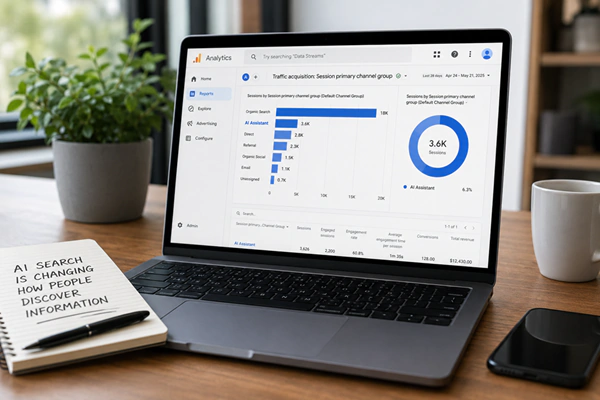
Artificial intelligence is rapidly changing how people search online. Instead of relying solely on traditional search engines, users are increasingly turning to AI tools such as ChatGPT, Gemini and Claude to find answers, recommendations and services. Google
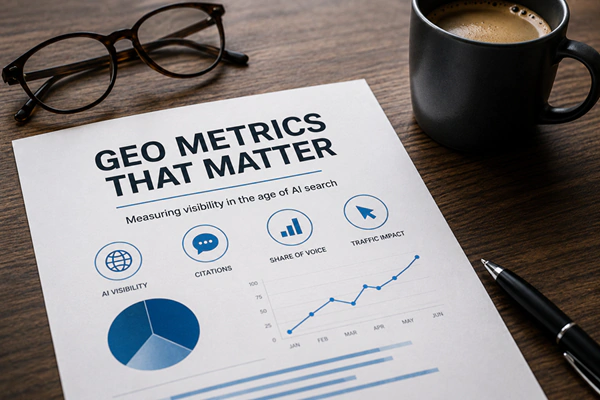
Traditional SEO reporting is changing fast. Ranking reports, click-through rates and keyword positions still matter, but they no longer tell the full story. AI-powered search experiences are reshaping how people discover brands online, and most businesses are

Google search rankings are shifting again, and many website owners are already seeing sharp movement in traffic, keyword positions and visibility. According to on-going industry tracking and SEO community discussions, Google Search volatility increased heavily throughout late

Google has once again made its position clearer on what it considers low-value content. At a recent Search Central event in Toronto, Google’s Search Liaison Danny Sullivan expanded on the idea of “commodity content” and why it
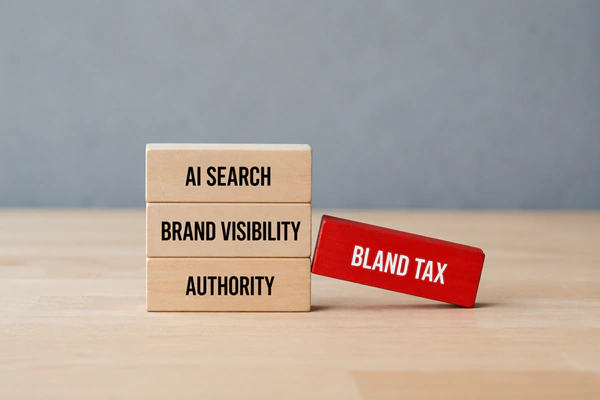
Search has changed, but not in the way many expected. The biggest shift is not just that AI tools like ChatGPT or Google AI Overviews are answering questions directly. It is that these systems are deciding which
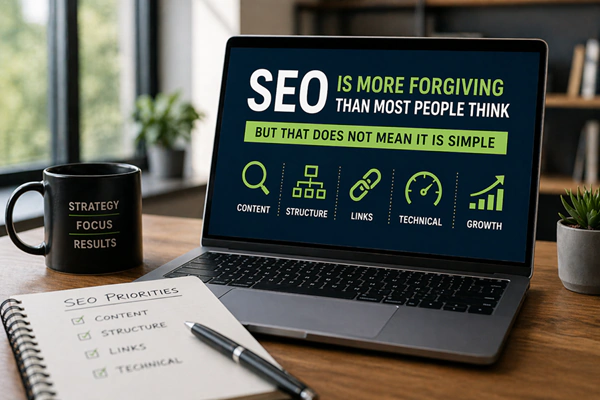
For years I have seen SEO treated like a checklist where every task is assumed to carry equal weight. The reality is very different, and a recent comment from Google’s John Mueller reinforces that point: SEO is

The search industry has always had its share of bold claims. Agencies promising guaranteed rankings. Consultants positioning themselves as experts in every corner of search. But a recent statement from Google cuts through that noise with unusual
When a negative search result appears, most businesses jump straight to one of two conclusions: push it down or accept it. The reality sits somewhere in between. Google provides a set of removal tools that can directly
Search engine optimisation has been declared “dead” many times over the past decade. In 2026, that claim still misses the point. SEO has not disappeared. It has changed shape. Businesses that rely on out-dated tactics are losing

AI search optimisation is the process of improving your content so it can be understood, trusted, and used as a source by AI systems like ChatGPT. Unlike traditional SEO, which focuses on ranking in search engines, AI
Search engine optimisation has never stood still. What worked twenty years ago would damage a website today, and what works today will continue to evolve. For businesses investing in digital growth, understanding how SEO has changed is

AI has changed how SEO work gets done. It has not replaced it. The difference is simple. AI speeds up the repetitive parts of SEO. Strategy, decision-making, and results still come from experience. Used properly, AI removes
Google has officially kicked off its March 2026 Broad Core Update, marking the first major algorithm shift of the year—and it’s already raising eyebrows across the SEO industry. The update began rolling out in the early hours

Search is changing. Not gradually, but fundamentally. As AI-powered platforms reshape how users find information, the way your brand is understood online has become just as important as how it ranks. Visibility is no longer only about
Search is no longer confined to Google. That is the uncomfortable truth many businesses are still ignoring. For years, SEO meant ranking webpages in traditional search engines. That model still matters, but it is no longer the
Google has been testing how AI-generated content appears in search results, and the implications are significant for businesses that rely on organic traffic. If you create content for your website, this is not something you can afford
Search is changing again, and this time the shift could have a direct impact on how your content is seen, interpreted, and clicked. Recent reports confirm that Google is testing AI-generated headline rewrites within its search results.
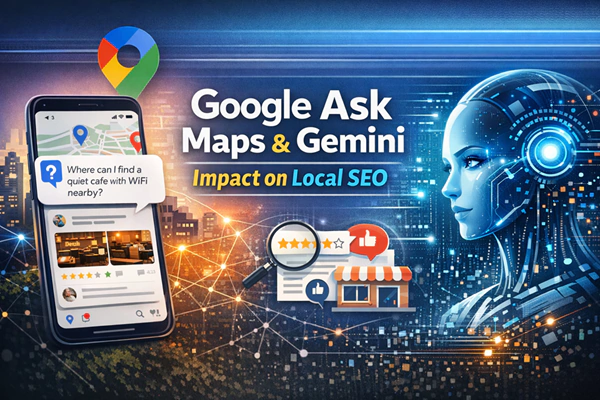
Google has just taken another major step in reshaping how people discover local businesses, and if you rely on local visibility, this is one you can’t ignore. The introduction of “Ask Maps”, powered by Google’s Gemini AI,
Google search is changing quickly. For years, businesses invested heavily in SEO to earn visibility, traffic and leads from organic search. Now, with the introduction of AI Overviews, that model is shifting. Recent data suggests that AI-generated


