

For years, marketers have repeated the phrase “content is king.” But in today’s search landscape, that’s no longer the full story. Publishing great content alone isn’t enough to generate visibility. With the rise of AI-driven search and

For years, marketers have repeated the phrase “content is king.” But in today’s search landscape, that’s no longer the full story. Publishing great content alone isn’t enough to generate visibility. With the rise of AI-driven search and
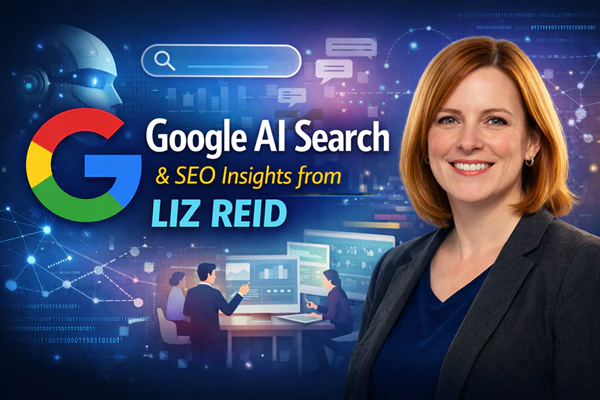
Google’s search engine is going through one of the biggest shifts in its history. Artificial intelligence is now embedded deeply into how search works, and that transformation is still unfolding. In a recent interview, Google’s Head of
Search is changing faster than ever. AI platforms like ChatGPT, Claude and Perplexity aren’t killing SEO, they’re investing heavily in it. Why? Because SEO still delivers one thing better than any other channel: scalable, predictable growth. Recent
The search industry continues to evolve in 2026. While there have not been a flood of Google algorithm updates like there were in 2025, that does not mean nothing has changed. In fact, the updates we have
Local SEO has come a long way. Once, ranking for a city or town was enough to attract local customers. But in 2026, search is getting smarter, and users are getting more specific. They’re no longer just
Search Engine Optimisation (SEO) has changed more in the last three years than it did in the ten before. With AI now at the heart of how search engines understand, rank and deliver content, there’s a massive
In early 2026, new data has emerged that challenges the dramatic headlines suggesting organic search traffic is collapsing. According to a large-scale analysis covering more than 40,000 major websites, organic search traffic declined by just 2.5% year-on-year,
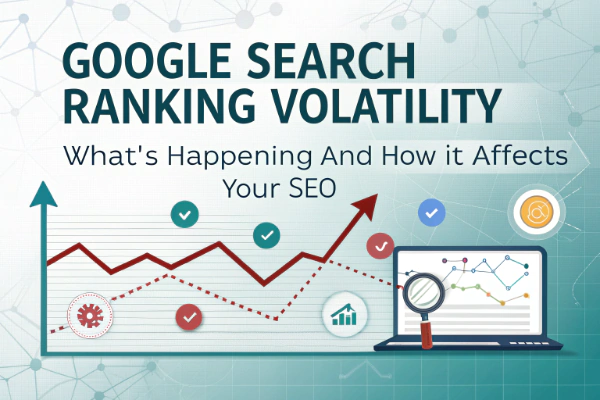
Google’s search algorithm has been unusually volatile in early 2026, with multiple instances of ranking fluctuations and SERP shifts reported across the SEO community. At Weblinx, we know that ranking changes can be stressful, especially for businesses
The way people search for and discover information online is transforming rapidly. No longer is success measured just by ranking on page one of Google, AI search engines like ChatGPT, Google AI Overviews and Perplexity are increasingly
Everyone in the SEO world has their eyes on Google right now. Across mid-January 2026, search rankings have been unusually unsettled, with some sites jumping up and down in positions and organic traffic patterns shifting seemingly without
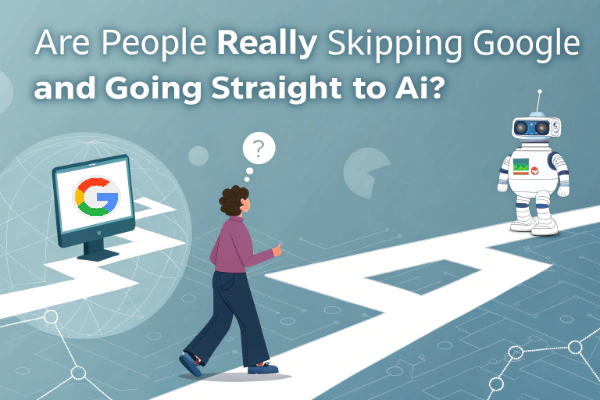
Yes, to an extent. According to a recent study, 37% of consumers now begin their searches with AI tools rather than traditional search engines like Google. The data comes from the Eight Oh Two 2026 AI and

January and February are brutal for restaurants. Christmas is over, footfall drops, and people tighten their belts. If your dining room feels quieter than it should, this isn’t just a “slow season” problem, it’s a visibility problem.
Search never stands still. Over the last few years, we’ve seen AI change how content is created, Google tighten its grip on quality, and user expectations rise faster than most businesses can keep up with. If you

Thank You for Being Part of Our Journey Whether you’ve been working with us for years, partnered with us this year, or are considering Weblinx for the future, we truly appreciate the trust, conversations, and connections that
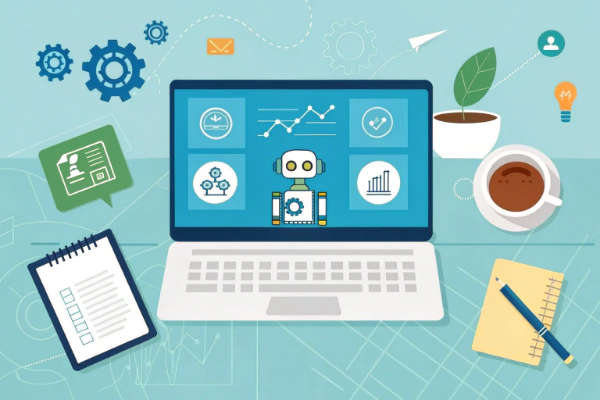
Artificial intelligence has quietly become one of the most useful tools for small businesses. It is no longer something futuristic or expensive. By 2025, AI will sit behind everyday website functions that make browsing easier, customer interactions

SEO for startups isn’t about traffic for the sake of traffic. It’s about putting your product in front of people who are already searching for a solution, and converting that demand into users, leads, and revenue. Unlike
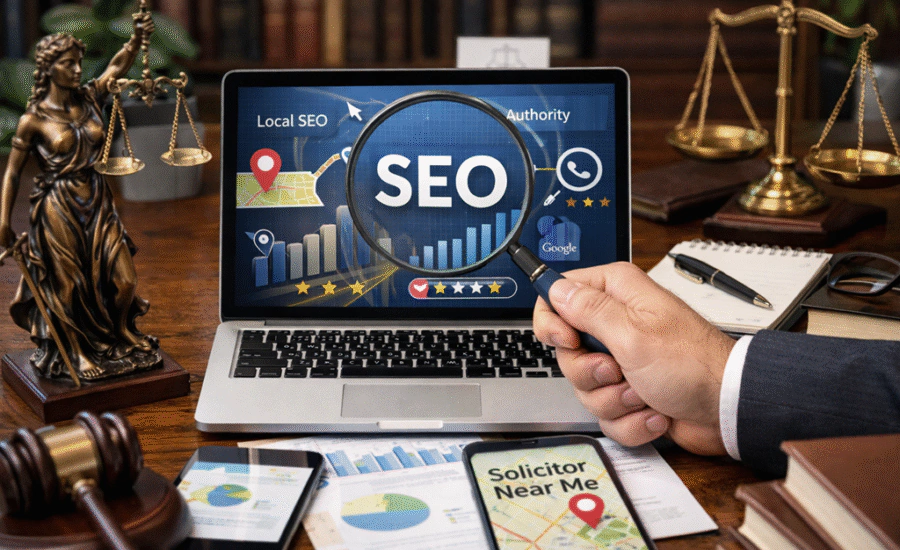
Search engine optimisation for law firms is not about tricks, shortcuts, or chasing the latest gimmick. It’s about consistency, precision, and understanding how real people search for legal help. At Weblinx, we’ve worked with solicitors long enough

SEO for doctors isn’t about chasing traffic for the sake of it. The goal is simple: appear in front of people who are actively looking for medical care and turn that visibility into booked appointments. That means

Search engine optimisation (SEO) plays a critical role in how hotels attract guests online. With online travel agencies (OTAs) dominating search results and charging significant commissions, hotel owners and operators are increasingly turning to SEO to improve
Google has officially rolled out its December 2025 Broad Core Update, announcing the launch on 11 December at around 12:25pm ET (5:25pm GMT). As with previous core updates, this one isn’t a quick flick of a switch,


