

AI search optimisation is the process of improving your content so it can be understood, trusted, and used as a source by AI systems like ChatGPT. Unlike traditional SEO, which focuses on ranking in search engines, AI

AI search optimisation is the process of improving your content so it can be understood, trusted, and used as a source by AI systems like ChatGPT. Unlike traditional SEO, which focuses on ranking in search engines, AI

Google has introduced a new spam policy targeting “back button hijacking”, with enforcement starting on 15 June 2026. This is not a minor update. It is a direct ranking risk for websites using manipulative scripts or third-party
Search engine optimisation has never stood still. What worked twenty years ago would damage a website today, and what works today will continue to evolve. For businesses investing in digital growth, understanding how SEO has changed is
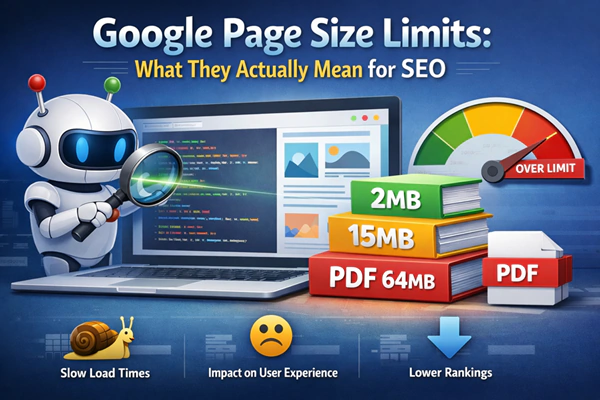
Recent discussion around Google’s file size limits has caused unnecessary concern across the SEO industry. The reality is far more straightforward, and for most websites, there is no immediate issue to resolve. Here is what matters. Google’s
AI has changed how SEO work gets done. It has not replaced it. The difference is simple. AI speeds up the repetitive parts of SEO. Strategy, decision-making, and results still come from experience. Used properly, AI removes
Google has now completed the rollout of its March 2026 core update, bringing another wave of ranking volatility across search results. For businesses that rely on organic traffic, this update is not something to ignore. It is
Google has officially kicked off its March 2026 Broad Core Update, marking the first major algorithm shift of the year—and it’s already raising eyebrows across the SEO industry. The update began rolling out in the early hours
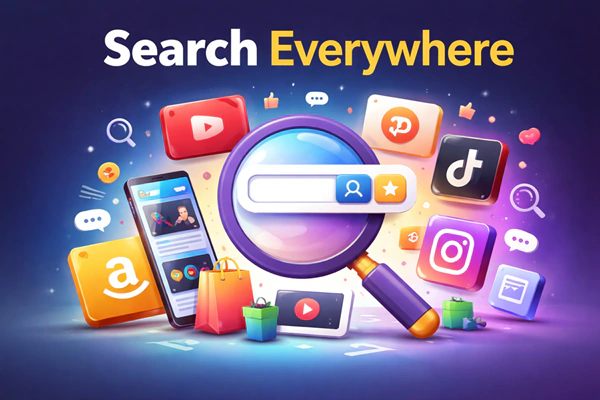
Search is no longer confined to Google. That is the uncomfortable truth many businesses are still ignoring. For years, SEO meant ranking webpages in traditional search engines. That model still matters, but it is no longer the
Google has been testing how AI-generated content appears in search results, and the implications are significant for businesses that rely on organic traffic. If you create content for your website, this is not something you can afford
Search is changing again, and this time the shift could have a direct impact on how your content is seen, interpreted, and clicked. Recent reports confirm that Google is testing AI-generated headline rewrites within its search results.
Search is changing, and not in a subtle way. Google is steadily shifting from traditional “10 blue links” to something far more dynamic: AI-generated answers that guide users through decisions. But here’s the part many businesses are
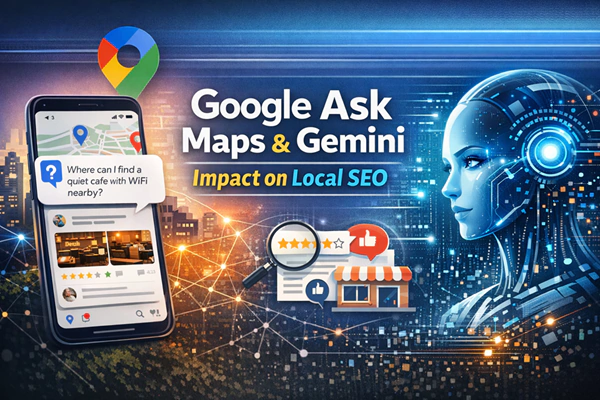
Google has just taken another major step in reshaping how people discover local businesses, and if you rely on local visibility, this is one you can’t ignore. The introduction of “Ask Maps”, powered by Google’s Gemini AI,
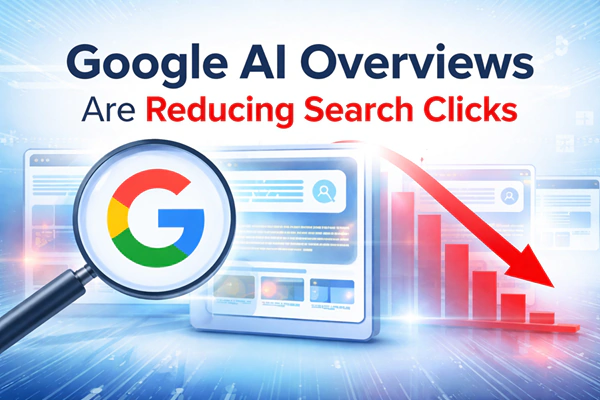
Google search is changing quickly. For years, businesses invested heavily in SEO to earn visibility, traffic and leads from organic search. Now, with the introduction of AI Overviews, that model is shifting. Recent data suggests that AI-generated
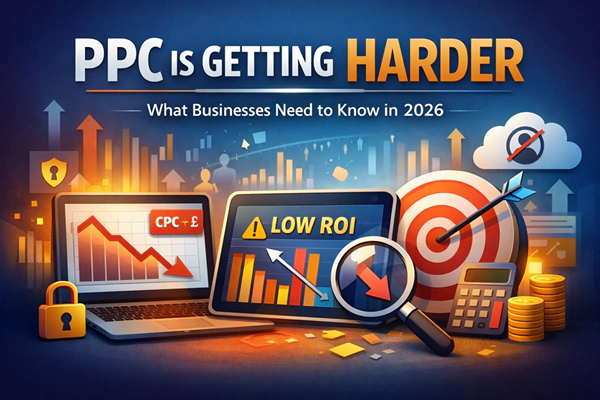
Running successful PPC campaigns used to be relatively straightforward. Set up your targeting, test a few ads, optimise your bids and watch the leads come in. That’s no longer the case. Recent industry research suggests that pay-per-click
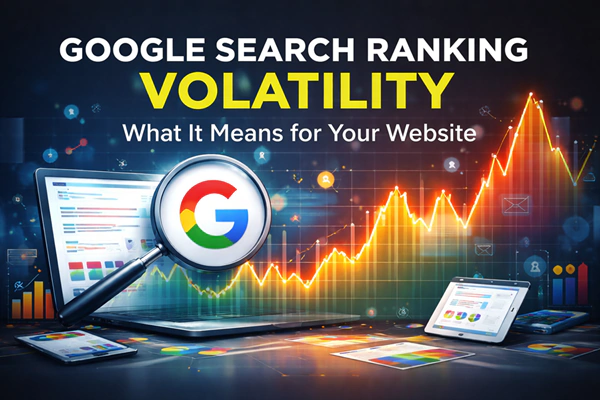
If you’ve noticed unusual fluctuations in your Google rankings recently, you’re not imagining things. Over the past few weeks, the SEO industry has been reporting significant volatility in Google search rankings, with many tracking tools and SEO
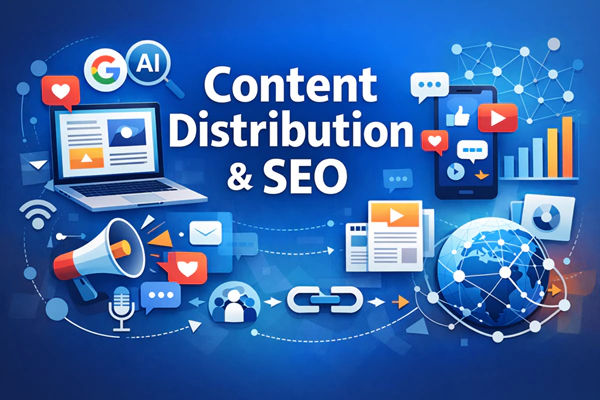
For years, marketers have repeated the phrase “content is king.” But in today’s search landscape, that’s no longer the full story. Publishing great content alone isn’t enough to generate visibility. With the rise of AI-driven search and

Google’s search engine is going through one of the biggest shifts in its history. Artificial intelligence is now embedded deeply into how search works, and that transformation is still unfolding. In a recent interview, Google’s Head of
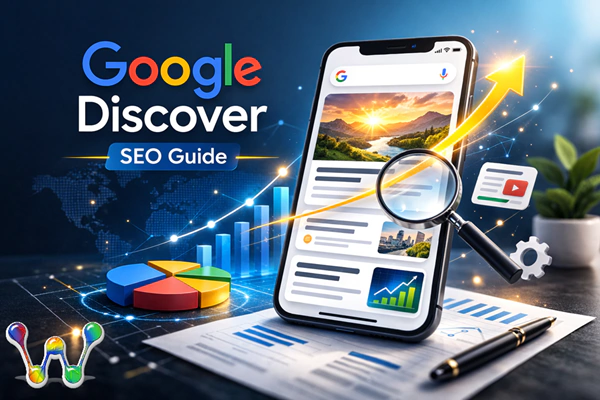
Google Discover is one of the most powerful, and misunderstood, sources of organic traffic available today. Unlike traditional search, users don’t type queries. Instead, Google proactively shows content it believes people will find interesting based on their
Search is changing faster than ever. AI platforms like ChatGPT, Claude and Perplexity aren’t killing SEO, they’re investing heavily in it. Why? Because SEO still delivers one thing better than any other channel: scalable, predictable growth. Recent
If your website traffic has suddenly dropped, surged, or behaved unpredictably in recent weeks, you’re not alone. Google’s search rankings have been unusually volatile since early January 2026, with widespread fluctuations continuing throughout February. While some tracking


